Simple English Grammar Rules Everyone Should Know
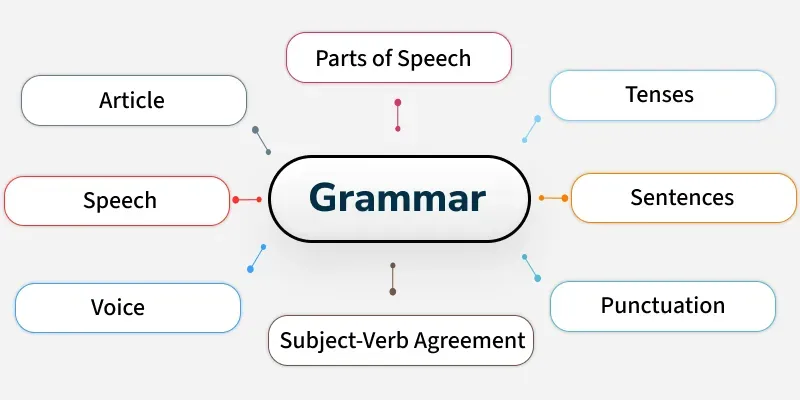
Simple Ways to Improve Your English Grammar Skills
Simple Ways to Improve Your English Grammar Skills – Improving your English grammar does not have to be complicated or stressful. Many people think grammar means memorizing endless rules, but in reality, it is more about habit, exposure, and consistency. Whether you are learning English for work, study, or daily communication, small improvements can make a big difference in how confident and natural you sound.
This article will walk you through simple and practical ways to improve your English grammar skills without feeling overwhelmed. These methods are easy to apply, even if you are busy or learning English as a second language.
Why English Grammar Still Matters Today
Grammar is the foundation of clear communication. Even if your vocabulary is strong, poor grammar can make your message confusing or less professional. In emails, social media posts, blog writing, or business communication, correct grammar helps you sound more credible and trustworthy.
Good grammar also helps you understand others better. When you recognize sentence patterns and structures, reading and listening become much easier. This is why improving grammar is not just about writing, but about overall language fluency.
Start with Everyday Reading Habits
One of the simplest ways to improve English grammar is by reading regularly. Reading exposes you to correct sentence structures without forcing you to memorize rules.
Read Content That Matches Your Level
Choose materials that feel comfortable, not exhausting. Online articles, blogs, short stories, or news websites are great starting points. When the language feels natural, your brain starts absorbing grammar patterns automatically.
Pay attention to how sentences are formed. Notice how verbs change, how prepositions are used, and how ideas are connected. Over time, these patterns will feel familiar and easier to use in your own writing.
Read Out Loud Occasionally
Reading out loud helps connect grammar with sound. When a sentence sounds wrong, it often means the grammar is incorrect. This technique is especially helpful for understanding verb tenses and sentence flow.
Practice Writing in Small, Consistent Steps
You do not need to write long essays to improve your grammar. Short, consistent writing is much more effective.
Write Daily, Even If It’s Just a Few Sentences
Try writing a short journal entry, a social media caption, or a comment in English every day. Focus on clarity rather than perfection. The goal is to make grammar a natural part of your thinking process.
If possible, reread what you wrote and look for simple mistakes like verb tense, plural forms, or missing articles. Self-correction is a powerful learning tool.
Rewrite Simple Sentences in Different Ways
Take one sentence and rewrite it using a different structure. This exercise helps you understand how grammar works in real situations. Over time, you will feel more flexible and confident when forming sentences.
Learn Grammar Rules in Context, Not in Isolation
Studying grammar rules alone can feel boring and confusing. A better approach is to learn grammar through examples and real usage.
Focus on Common Grammar Mistakes First
Instead of trying to learn everything, focus on common issues such as subject-verb agreement, basic tenses, and sentence order. These areas have the biggest impact on clarity.
When you notice a mistake you often make, look it up and practice it in context. This targeted approach saves time and delivers faster results.
Use Real Examples from Native Content
Look at how native speakers use grammar in articles, blogs, or conversations. This helps you understand how rules apply in real life, not just in textbooks.
Improve Grammar Through Listening and Speaking
Grammar is not only about writing. Listening and speaking play a major role in reinforcing correct structures.
Listen to Natural English Conversations
Podcasts, interviews, and videos are excellent resources. When you listen to native speakers, you hear how grammar flows naturally in conversation.
Pay attention to commonly used phrases and sentence patterns. These patterns often repeat and become easy to remember.
Speak Without Fear of Mistakes
Many learners avoid speaking because they are afraid of grammar errors. In reality, mistakes are part of learning. Speaking regularly helps your brain process grammar faster and more naturally.
Try talking to yourself, recording short voice notes, or practicing with language partners. The more you speak, the more automatic correct grammar becomes.
Use Simple Tools Wisely
Technology can support your learning, but it should not replace your thinking process.
Grammar-checking tools are useful for spotting mistakes, but always review the suggestions carefully. Try to understand why something is incorrect instead of accepting corrections blindly. This awareness helps prevent repeating the same mistakes in the future.
Be Patient and Track Your Progress
Improving English grammar is a gradual process. You may not see dramatic changes overnight, but small improvements add up over time.
Notice Patterns, Not Perfection
Instead of aiming for perfect grammar, focus on reducing repeated mistakes. When you stop making the same error again and again, that is real progress.
Celebrate Small Wins
Understanding a sentence faster, writing more confidently, or speaking without hesitation are signs that your grammar skills are improving. These small wins keep you motivated.
Final Thoughts on Improving English Grammar Skills
Improving your English grammar does not require expensive courses or endless rule memorization. With regular reading, consistent writing, active listening, and simple practice habits, grammar improvement becomes a natural part of your daily routine.
The key is consistency and patience. When grammar learning feels connected to real life, it becomes easier, more enjoyable, and much more effective. Over time, you will notice that correct grammar no longer feels like a challenge, but a skill you use naturally and confidently.
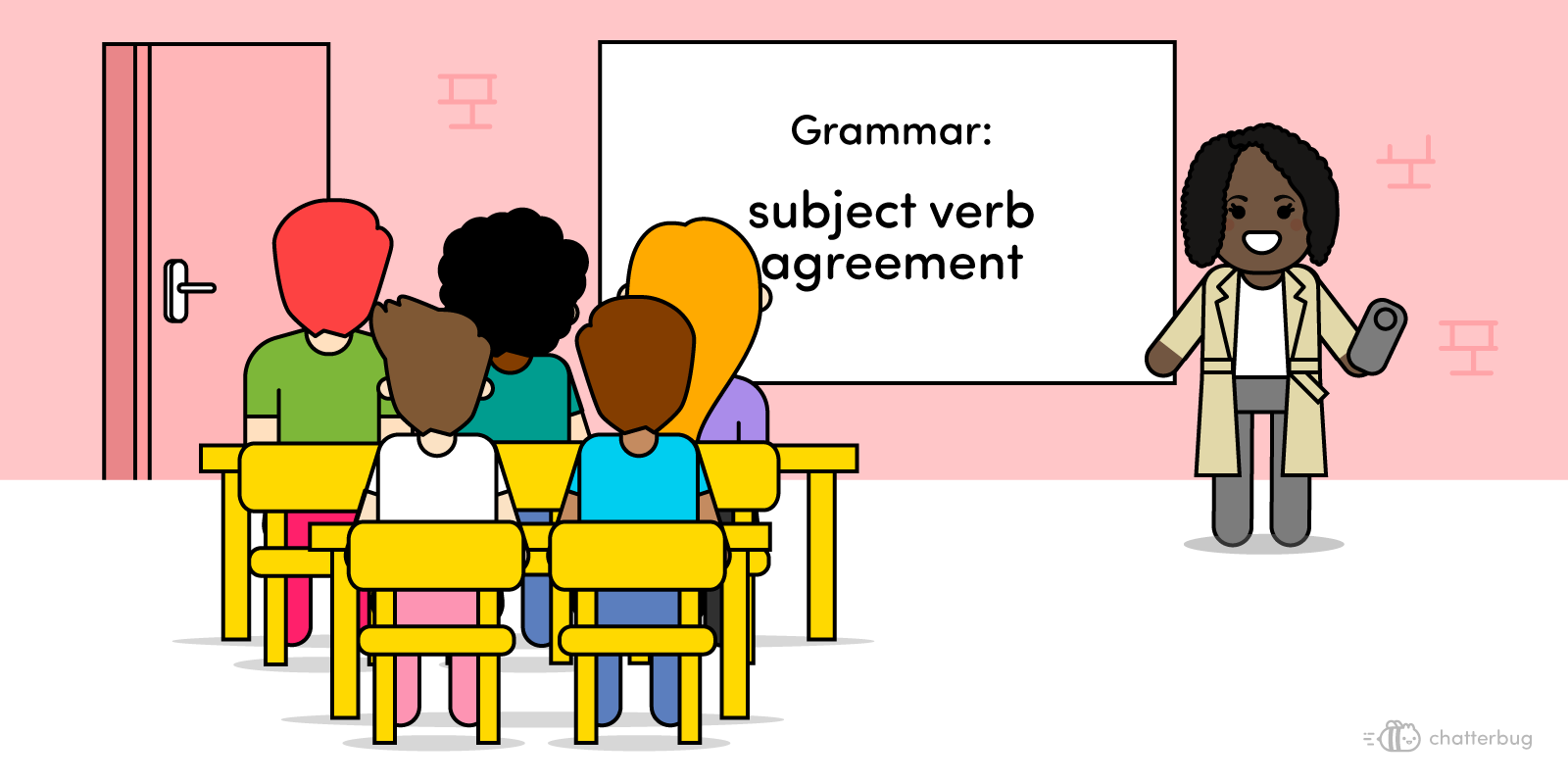
Why English Grammar Matters More Than You Think
Why English Grammar Matters More Than You Think – Many people believe that English grammar is only important in classrooms, exams, or academic writing. In everyday life, grammar is often seen as optional, something that only teachers or editors truly care about. As long as the message is understood, grammar feels secondary.
In reality, English grammar plays a much bigger role than most people realize. It quietly shapes how messages are received, how ideas are interpreted, and how credible a person appears in both written and spoken communication. Whether you are sending emails, writing content online, or speaking in professional settings, grammar influences more than just correctness.
Grammar Shapes How Your Message Is Understood
Grammar is not just about rules. It is about structure and clarity. When grammar is used properly, ideas flow naturally and meaning becomes clear. When it is ignored, even simple messages can become confusing or misleading.
A sentence with poor grammar may still be readable, but the reader often has to work harder to understand it. Over time, this extra effort can lead to misunderstandings or frustration.
Clarity Comes From Structure
English relies heavily on word order and sentence structure. A small grammatical mistake can change the meaning of a sentence entirely. This is especially important in written communication, where tone and body language are absent.
Clear grammar helps ensure that your message says exactly what you intend, without forcing the reader to guess.
Grammar Builds Credibility and Trust
One of the hidden impacts of English grammar is how it affects credibility. People naturally associate good grammar with professionalism, education, and attention to detail. This happens subconsciously, even when readers are not actively judging.
In professional environments, grammar can influence how seriously your message is taken.
First Impressions Matter
Emails, reports, proposals, and online profiles often create a first impression before any conversation happens. If the writing contains frequent grammar mistakes, readers may question the reliability of the information or the competence of the writer.
On the other hand, clear and grammatically correct writing helps build trust, even before a response is given.
Grammar Plays a Key Role in Professional Communication
In the workplace, English grammar is more than a language skill. It is a communication tool. From internal emails to external communication with clients, grammar affects how smoothly information is exchanged.
Misunderstandings caused by grammar errors can lead to mistakes, delays, or awkward situations that could easily be avoided.
Reducing Miscommunication at Work
When instructions, schedules, or expectations are written unclearly, small grammar issues can create big problems. Proper grammar helps messages stay precise, especially when dealing with deadlines, responsibilities, or technical information.
This is why many companies value strong written communication skills, even for roles that are not directly related to writing.
Grammar Matters in the Digital World
The internet has changed how people communicate, but it has not reduced the importance of grammar. In fact, grammar matters even more in digital spaces where written content dominates.
Websites, blogs, social media posts, and online reviews all rely on text to communicate value and build authority.
Online Content and Reader Trust
When readers encounter well-written content with correct grammar, they are more likely to stay longer and trust the information. Poor grammar can make content appear rushed, unprofessional, or unreliable.
For businesses and content creators, grammar plays a role in branding and audience perception, even if it is not immediately obvious.
Grammar Supports Better Learning and Thinking
Grammar is closely connected to how people organize thoughts. Learning grammar helps improve not only language skills but also logical thinking and clarity of expression.
When you understand grammar, you gain better control over how ideas are formed and communicated.
Expressing Ideas More Effectively
Strong grammar allows you to explain complex ideas in a simpler way. Instead of struggling to find the right words, you can focus on the message itself.
This is especially useful for students, professionals, and anyone who uses English as a second language and wants to communicate more confidently.
Grammar Is Not About Perfection
One common reason people avoid focusing on grammar is the fear of making mistakes. Grammar is often associated with strict rules and constant correction. In reality, grammar is a tool, not a test.
The goal is not to write perfect English, but to communicate clearly and effectively.
Progress Matters More Than Rules
Improving grammar does not require memorizing every rule. Small improvements, such as understanding sentence structure or common mistakes, can make a noticeable difference.
Over time, better grammar becomes natural, not forced, and communication feels easier rather than stressful.
Why Grammar Still Matters in Casual Communication
Some people believe grammar is unnecessary in casual conversations or informal writing. While informal language is perfectly fine, basic grammar still plays a role in making messages easy to understand.
Even in text messages or social media posts, grammar helps prevent confusion.
Being Understood Without Explaining Twice
Clear grammar reduces the need to clarify or correct messages later. When your writing is easy to follow, conversations move faster and more smoothly.
This is especially helpful in group chats, online discussions, or collaborative environments where clarity saves time.
The Long-Term Value of Good Grammar
English grammar may seem like a small detail, but its long-term impact is significant. It affects how others perceive you, how well you communicate, and how confidently you express ideas.
Over time, strong grammar skills open doors to better opportunities, stronger relationships, and clearer communication in all areas of life.
A Skill That Grows With You
Unlike trends or tools that change quickly, grammar remains relevant. As your career or personal goals evolve, grammar continues to support your ability to communicate effectively.
That is why English grammar matters more than many people think. It works quietly in the background, shaping understanding, trust, and connection every day.
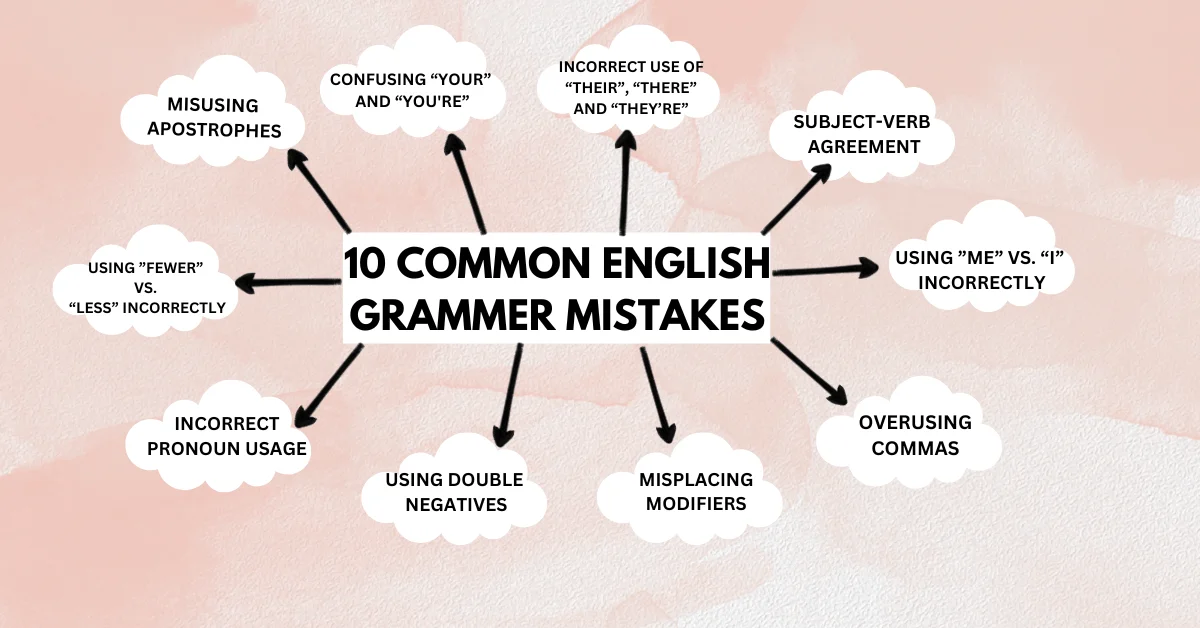
Common English Grammar Mistakes and How to Fix Them
Common English Grammar Mistakes and How to Fix Them – English grammar is not always easy, even for people who use English every day. Many learners make the same mistakes again and again, not because they are careless, but because English has rules that feel confusing or inconsistent. The good news is that most grammar mistakes are common and easy to fix once you understand why they happen.
In this article, we will talk about common English grammar mistakes and how to fix them in a simple, practical way. This guide is useful for students, bloggers, writers, and anyone who wants to sound more natural and confident in English.
Subject-Verb Agreement Errors
Subject-verb agreement is one of the most common grammar problems in English writing. The basic rule is simple: a singular subject needs a singular verb, and a plural subject needs a plural verb. However, many people still get confused, especially when sentences become longer.
Singular and Plural Confusion
A common mistake happens when the subject and verb are separated by extra words. For example, someone might write, “The list of items are on the table.” This sounds natural to many learners, but it is actually incorrect. The real subject is “the list,” which is singular, so the correct sentence is “The list of items is on the table.”
To fix this mistake, always identify the main subject of the sentence and ignore extra phrases in the middle.
Indefinite Pronouns Mistakes
Words like everyone, someone, nobody, and each are singular, even though they refer to many people. Many writers mistakenly use plural verbs with these words. For example, “Everyone have their own opinion” is incorrect. The correct version is “Everyone has their own opinion.”
Incorrect Use of Tenses
Tense mistakes can make your writing confusing and unclear. English has many tenses, and choosing the wrong one can change the meaning of a sentence.
Mixing Past and Present Tense
One common error is switching tenses in the same sentence or paragraph without reason. For example, “Yesterday I go to the store and bought some food.” This sentence mixes present and past tense incorrectly.
To fix this, make sure all verbs match the time you are talking about. The correct sentence is “Yesterday I went to the store and bought some food.”
Present Perfect vs Past Simple
Many learners struggle with the difference between present perfect and past simple. A common mistake is using past simple when the time is not specific. For example, “I saw that movie already” is less natural. The correct sentence is “I have already seen that movie.”
Use present perfect when the exact time is not mentioned and the action is connected to the present.
Wrong Use of Articles
Articles a, an, and the are small words, but they cause big problems for English learners. Many languages do not use articles the same way English does.
Missing Articles
A very common mistake is leaving out articles completely. For example, “She is teacher” sounds wrong in English. The correct sentence is “She is a teacher.”
Whenever you talk about a singular, countable noun, you usually need an article.
Overusing “The”
Another common mistake is using “the” when it is not necessary. For example, “I love the nature” is incorrect. The correct sentence is “I love nature.”
Use “the” only when you are talking about something specific or already known.
Preposition Mistakes
Prepositions are tricky because there are many of them, and their usage is often idiomatic. Even advanced English users make mistakes with prepositions.
Wrong Preposition Choice
A common example is saying “married with” instead of “married to.” Another example is “interested on” instead of “interested in.”
The best way to fix this mistake is exposure and practice. Read and listen to natural English as much as possible, and notice which prepositions are used with certain words.
Unnecessary Prepositions
Sometimes learners add prepositions where they are not needed. For example, “discuss about the problem” is incorrect. The correct sentence is “discuss the problem.”
Always check whether a verb actually needs a preposition or not.
Confusing Similar Words
English has many words that look or sound similar but have different meanings. Mixing them up is a very common grammar mistake.
Your vs You’re
This is one of the most popular mistakes in both writing and online communication. “Your” shows possession, while “you’re” means “you are.” Writing “Your welcome” instead of “You’re welcome” is incorrect.
To avoid this mistake, replace the word with “you are” and see if the sentence still makes sense.
Their, There, and They’re
These three words sound the same but have completely different uses. “Their” shows possession, “there” refers to a place, and “they’re” means “they are.”
Mistakes with these words can make your writing look careless, so always double-check them before publishing.
Sentence Structure Problems
Poor sentence structure can make even correct grammar hard to understand. Many writers struggle with run-on sentences and sentence fragments.
Run-On Sentences
A run-on sentence happens when two or more sentences are joined without proper punctuation. For example, “I like English it is easy to learn” should be “I like English because it is easy to learn” or split into two sentences.
To fix this, use periods, commas with conjunctions, or rewrite the sentence more clearly.
Sentence Fragments
A sentence fragment is an incomplete sentence. For example, “Because I was tired.” This sentence is missing a main clause.
Make sure every sentence has a subject and a verb and expresses a complete idea.
Capitalization and Punctuation Errors
These mistakes may seem small, but they affect readability and professionalism.
Capitalization Mistakes
Some writers forget to capitalize the first word of a sentence or proper nouns like names, countries, and days. Writing “i live in london” looks unprofessional. The correct sentence is “I live in London.”
Comma Misuse
Commas are often overused or underused. One common mistake is forgetting a comma after an introductory phrase. For example, “After work I go to the gym” is better written as “After work, I go to the gym.”
Final Thoughts on Improving English Grammar
Making grammar mistakes is a normal part of learning English. Even native speakers make errors sometimes. The key is awareness and practice. When you understand common English grammar mistakes and how to fix them, you will write with more confidence and clarity.
Reading a lot, writing regularly, and reviewing your work can make a big difference. Over time, correct grammar will feel natural, not forced. Keep learning, keep practicing, and do not be afraid to make mistakes along the way.

Clear English Grammar for Everyday Communication
Clear English Grammar for Everyday Communication – In today’s globalized world, clear English grammar is more important than ever. Whether you’re writing emails, chatting with friends, or giving a presentation, using correct grammar helps you communicate your ideas effectively. But many people struggle with English grammar because they think it’s complicated or boring. The truth is, with a little practice and the right approach, anyone can improve their grammar for everyday communication.
Why Clear Grammar Matters
Good grammar isn’t just about sounding smart—it’s about making your message easy to understand. Imagine sending a message to a colleague that’s full of mistakes. Even if your idea is great, the errors can distract the reader or make your message confusing. Clear grammar ensures that your thoughts come across exactly as you intend.
Clear grammar also builds confidence. When you know your sentences are correct, you can speak and write more freely. People are more likely to take you seriously, whether in a professional setting or casual conversation.
Common Grammar Challenges
Many English learners face similar challenges when it comes to grammar. Some struggle with verb tenses, unsure whether to say “I have done” or “I did.” Others mix up prepositions, saying “interested on” instead of “interested in.”
Pronouns can also be tricky. Choosing between “he,” “him,” or “his” in the right context is a common source of mistakes. And articles like “a,” “an,” and “the” confuse even advanced learners.
The good news is that these problems are not impossible to fix. Understanding the rules and practicing regularly can make these challenges much easier to handle.
Mastering Everyday Grammar
Improving your grammar doesn’t have to be overwhelming. The key is to focus on the rules that matter most in daily communication. Start with simple sentence structures and gradually move to more complex ones.
Subject-Verb Agreement
One of the most basic but essential rules is subject-verb agreement. The verb must match the subject in number. For example, say “She walks to school” instead of “She walk to school.” Mistakes in this area are easy to spot and correct with a little practice.
Tenses Made Simple
Tenses tell your listener or reader when something happens. Present tense is used for things happening now, past tense for things that already happened, and future tense for things that will happen. For everyday communication, mastering simple present, past, and future tenses will cover most situations.
Using Articles Correctly
Articles might seem small, but they make a big difference. Use “a” or “an” when talking about something for the first time, and “the” when referring to something specific. For example, “I saw a cat” introduces a cat for the first time, while “The cat was black” refers to that specific cat.
Prepositions in Context
Prepositions like “in,” “on,” and “at” can change the meaning of a sentence completely. Instead of memorizing lists, try learning them in context. For instance, say “I am at the park” instead of just thinking “at = location.” Reading and listening to English regularly helps you naturally internalize prepositions.
Practical Tips for Everyday Improvement
Improving your grammar isn’t about memorizing endless rules—it’s about using English in real-life situations. Here are some ways to practice without feeling overwhelmed.
Read Every Day
Reading exposes you to correct grammar naturally. Books, blogs, news articles, or even captions on social media show grammar in context. Pay attention to sentence structures, verb tenses, and word order as you read.
Listen and Repeat
Listening to native speakers helps your brain recognize correct grammar. Podcasts, YouTube videos, or conversations with friends give you examples of natural English. Try repeating sentences aloud to get a feel for the rhythm and structure.
Write Regularly
Writing is one of the fastest ways to improve grammar. Start with short messages, diary entries, or emails. Don’t worry about perfection at first—focus on expressing your ideas clearly. Later, review and correct mistakes to reinforce learning.
Speak Without Fear
Speaking is often the hardest part, but it’s essential. Don’t be afraid of making mistakes. Focus on clear communication rather than perfect grammar. The more you speak, the more natural your grammar will become over time.
Common Mistakes to Avoid
Even advanced learners make recurring grammar mistakes. Some of the most common include mixing tenses, confusing “much” and “many,” and using double negatives.
For example, instead of saying “I didn’t see nothing,” say “I didn’t see anything.” These small changes make a big difference in clarity and professionalism.
Another frequent issue is overcomplicating sentences. Simple sentences are often more effective than long, convoluted ones. Aim for clarity first, then add complexity once you feel confident.
Tools That Can Help
While nothing replaces practice, some tools make learning grammar easier. Grammar checkers, writing apps, and online exercises provide instant feedback. Use them to identify mistakes, but always try to understand why something is wrong. Learning the rule is more valuable than just fixing an error.
Building Confidence in Communication
Ultimately, grammar is a tool to express yourself. The goal is to communicate clearly and confidently. Start small, focus on common everyday rules, and practice consistently. Celebrate small improvements—they add up faster than you think.
Remember, everyone makes mistakes, even native speakers. The key is not perfection but clarity. When your grammar is clear, people focus on your ideas rather than your errors.
Conclusion
Clear English grammar is not just a set of rules; it’s a way to connect with others effectively. By focusing on everyday communication, practicing regularly, and using simple strategies, anyone can improve their grammar. Whether writing an email, chatting with friends, or speaking in public, correct grammar helps you be understood and respected.
Start today by paying attention to your sentences, practicing a few rules at a time, and building your confidence step by step. With persistence and patience, clear English grammar can become second nature, opening doors to better communication in every area of life.

English Grammar Stories Learn with Simple Examples
English Grammar Stories Learn with Simple Examples – If you’ve ever tried to learn English grammar, you probably know how boring it can get. Long rules, confusing exceptions, and endless practice exercises can make anyone feel overwhelmed. But what if grammar could be learned through stories instead? That’s where English Grammar Stories come in. They make grammar simple, memorable, and even fun.
Grammar stories are short, easy-to-read stories that focus on one grammar point. Each story shows how the grammar works in real situations. Instead of memorizing rules, you learn through context. This method helps you remember better and use grammar naturally.
In this article, you will discover why grammar stories work, how to use them, and some simple examples that you can start practicing today.
Why Grammar Stories Work
Most people learn grammar by studying rules. But rules are often abstract and hard to remember. Stories, on the other hand, are easier to remember because they connect grammar to real life. When you read a story, your brain naturally understands the meaning and context. This makes grammar feel less like a rule and more like a habit.
Stories also make learning more enjoyable. When you enjoy learning, you stick with it longer. And consistency is the key to mastering English grammar.
Another benefit is that stories help you understand how grammar sounds in real conversation. Many grammar books use examples that feel too formal or unrealistic. Stories show natural language, with real expressions and everyday situations.
How to Use Grammar Stories Effectively
To get the most out of grammar stories, you don’t need to read long novels. Just short, simple stories will do. Here’s a simple way to practice:
First, read the story once to understand the meaning. Don’t focus on grammar yet. Just enjoy the story.
Second, read it again and pay attention to the grammar point. Notice the structure and how it is used in sentences.
Third, try to make your own sentences using the same grammar. This step is important because it turns passive learning into active practice.
Finally, speak or write the story in your own words. This helps you remember the grammar naturally.
Simple Grammar Story Examples
Below are a few simple grammar stories that focus on common grammar points. Each story is easy to understand and full of everyday language.
Present Simple Story
Maria wakes up early every day. She makes coffee, checks her email, and then goes for a walk. Her dog, Max, loves the morning walk. Maria always talks to Max, and Max always listens. They both enjoy the quiet streets and fresh air.
In this story, the present simple is used to describe habits and routines. It shows what Maria does every day. If you want to practice, try making your own routine story using present simple.
Past Simple Story
Last weekend, John visited his grandparents. He helped them clean the garden and fixed the broken fence. After that, they cooked a big dinner together. John felt happy because he spent time with his family. They laughed and shared old memories.
The past simple is used here to talk about actions that happened in the past. This story shows a complete event that is finished. You can create your own past simple story about a trip or a day you enjoyed.
Future Simple Story
Next month, Emma will start a new job. She will move to a new city and meet new people. She is a little nervous, but she is also excited. Emma believes that everything will be fine. She will work hard and learn quickly.
The future simple is used to talk about plans and predictions. It shows what will happen in the future. Try writing your own story about your future plans using will.
Present Continuous Story
Right now, Alex is studying English. He is sitting in a café and listening to a podcast. His friend is texting him, but Alex is focusing on his lesson. He is practicing grammar and trying to improve his pronunciation.
Present continuous is used for actions happening at this moment. It is also used for temporary situations. You can practice by describing what you are doing right now in a short story.
Past Continuous Story
Yesterday evening, Sarah was cooking dinner when the phone rang. She was talking to her friend while stirring the soup. Suddenly, the lights went out. Sarah was surprised, but she stayed calm. She lit a candle and finished cooking.
Past continuous is used for actions that were happening at a specific time in the past. It shows that something was in progress. You can try writing your own story about something you were doing when something else happened.
Tips for Making Your Own Grammar Stories
Making your own grammar stories is a great way to learn. You don’t need to write perfectly. The goal is to practice grammar naturally.
Start with a simple idea. It can be about your day, your family, or a small event. Then choose one grammar point you want to practice.
Use simple vocabulary and short sentences. The story doesn’t need to be long. A few sentences are enough. The most important thing is to repeat the grammar structure several times.
Also, try to include emotions or small details. This makes the story more memorable and fun.
Final Thoughts
English grammar doesn’t have to be boring. With grammar stories, learning becomes more natural and enjoyable. You learn grammar in real situations, and your brain remembers it better. Whether you are a beginner or an advanced learner, grammar stories can help you improve your English quickly.
If you want to practice more, try reading or writing one grammar story every day. Over time, you will notice your grammar improving without even thinking about rules. Grammar stories are a simple, effective way to learn English.