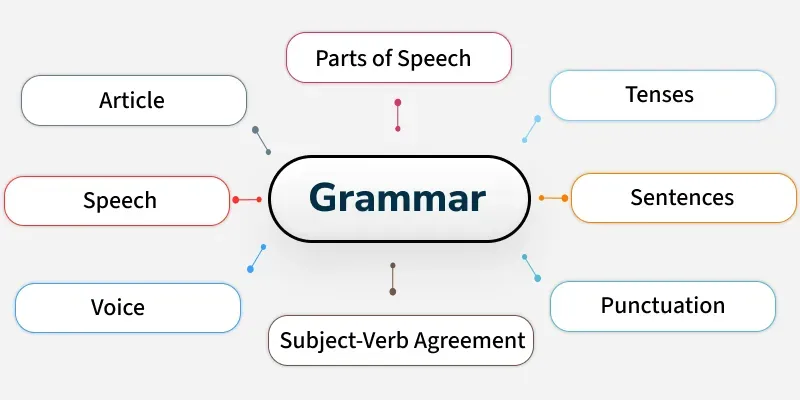
Simple Ways to Improve Your English Grammar Skills – Improving your English grammar does not have to be complicated or stressful. Many people think grammar means memorizing endless rules, but in reality, it is more about habit, exposure, and consistency. Whether you are learning English for work, study, or daily communication, small improvements can make a big difference in how confident and natural you sound.
This article will walk you through simple and practical ways to improve your English grammar skills without feeling overwhelmed. These methods are easy to apply, even if you are busy or learning English as a second language.
Why English Grammar Still Matters Today
Grammar is the foundation of clear communication. Even if your vocabulary is strong, poor grammar can make your message confusing or less professional. In emails, social media posts, blog writing, or business communication, correct grammar helps you sound more credible and trustworthy.
Good grammar also helps you understand others better. When you recognize sentence patterns and structures, reading and listening become much easier. This is why improving grammar is not just about writing, but about overall language fluency.
Start with Everyday Reading Habits
One of the simplest ways to improve English grammar is by reading regularly. Reading exposes you to correct sentence structures without forcing you to memorize rules.
Read Content That Matches Your Level
Choose materials that feel comfortable, not exhausting. Online articles, blogs, short stories, or news websites are great starting points. When the language feels natural, your brain starts absorbing grammar patterns automatically.
Pay attention to how sentences are formed. Notice how verbs change, how prepositions are used, and how ideas are connected. Over time, these patterns will feel familiar and easier to use in your own writing.
Read Out Loud Occasionally
Reading out loud helps connect grammar with sound. When a sentence sounds wrong, it often means the grammar is incorrect. This technique is especially helpful for understanding verb tenses and sentence flow.
Practice Writing in Small, Consistent Steps
You do not need to write long essays to improve your grammar. Short, consistent writing is much more effective.
Write Daily, Even If It’s Just a Few Sentences
Try writing a short journal entry, a social media caption, or a comment in English every day. Focus on clarity rather than perfection. The goal is to make grammar a natural part of your thinking process.
If possible, reread what you wrote and look for simple mistakes like verb tense, plural forms, or missing articles. Self-correction is a powerful learning tool.
Rewrite Simple Sentences in Different Ways
Take one sentence and rewrite it using a different structure. This exercise helps you understand how grammar works in real situations. Over time, you will feel more flexible and confident when forming sentences.
Learn Grammar Rules in Context, Not in Isolation
Studying grammar rules alone can feel boring and confusing. A better approach is to learn grammar through examples and real usage.
Focus on Common Grammar Mistakes First
Instead of trying to learn everything, focus on common issues such as subject-verb agreement, basic tenses, and sentence order. These areas have the biggest impact on clarity.
When you notice a mistake you often make, look it up and practice it in context. This targeted approach saves time and delivers faster results.
Use Real Examples from Native Content
Look at how native speakers use grammar in articles, blogs, or conversations. This helps you understand how rules apply in real life, not just in textbooks.
Improve Grammar Through Listening and Speaking
Grammar is not only about writing. Listening and speaking play a major role in reinforcing correct structures.
Listen to Natural English Conversations
Podcasts, interviews, and videos are excellent resources. When you listen to native speakers, you hear how grammar flows naturally in conversation.
Pay attention to commonly used phrases and sentence patterns. These patterns often repeat and become easy to remember.
Speak Without Fear of Mistakes
Many learners avoid speaking because they are afraid of grammar errors. In reality, mistakes are part of learning. Speaking regularly helps your brain process grammar faster and more naturally.
Try talking to yourself, recording short voice notes, or practicing with language partners. The more you speak, the more automatic correct grammar becomes.
Use Simple Tools Wisely
Technology can support your learning, but it should not replace your thinking process.
Grammar-checking tools are useful for spotting mistakes, but always review the suggestions carefully. Try to understand why something is incorrect instead of accepting corrections blindly. This awareness helps prevent repeating the same mistakes in the future.
Be Patient and Track Your Progress
Improving English grammar is a gradual process. You may not see dramatic changes overnight, but small improvements add up over time.
Notice Patterns, Not Perfection
Instead of aiming for perfect grammar, focus on reducing repeated mistakes. When you stop making the same error again and again, that is real progress.
Celebrate Small Wins
Understanding a sentence faster, writing more confidently, or speaking without hesitation are signs that your grammar skills are improving. These small wins keep you motivated.
Final Thoughts on Improving English Grammar Skills
Improving your English grammar does not require expensive courses or endless rule memorization. With regular reading, consistent writing, active listening, and simple practice habits, grammar improvement becomes a natural part of your daily routine.
The key is consistency and patience. When grammar learning feels connected to real life, it becomes easier, more enjoyable, and much more effective. Over time, you will notice that correct grammar no longer feels like a challenge, but a skill you use naturally and confidently.