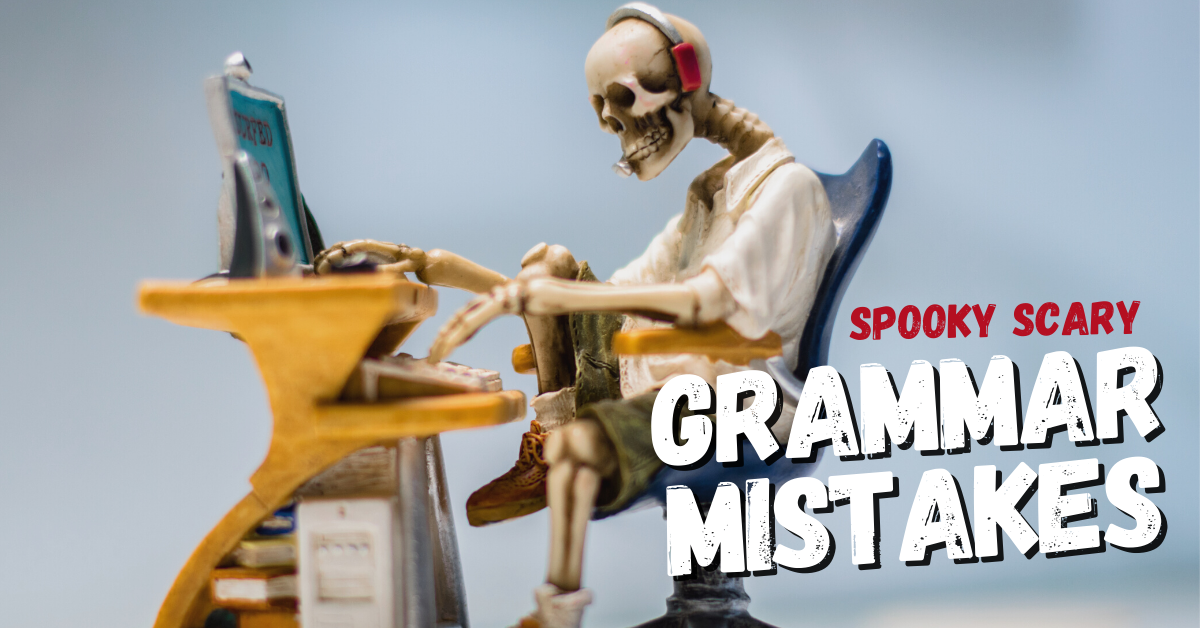
Grammar Rules That Change Meaning Into Horror – Grammar is often thought of as the backbone of good writing, a set of rules to keep our sentences clear and precise. But what happens when these rules are broken—or bent just slightly? Suddenly, your words can shift from being clear to downright horrifying, and not in the fun, spooky way you might expect. In this article, we’ll explore how small grammar mistakes or twists can change meaning drastically, sometimes creating unintended terror in your writing.
The Power of Commas: Pause for Effect—or Panic
Commas are deceptively small but can wield immense power over meaning. A misplaced comma can turn a friendly sentence into something that sounds eerie or sinister. Consider the difference between these two sentences:
“Let’s eat, Grandma.”
“Let’s eat Grandma.”
One comma transforms a loving invitation into a horrifying act of cannibalism. This is a classic example, but the point is clear: punctuation isn’t just about following rules—it’s about preventing unintended meaning.
Commas can also create suspense or unease in longer sentences. For instance, in horror writing, a well-placed pause can make the reader hesitate, building tension. In everyday writing, however, misuse can confuse or shock your audience in ways you didn’t intend.
Subject-Verb Agreement: When the Sentence Rebels
Subject-verb agreement is another rule that seems basic, yet breaking it can make your sentences unexpectedly creepy or confusing. Imagine a simple description gone wrong:
“The shadows moves along the walls.”
Here, the plural “shadows” mismatched with “moves” gives an unnatural, almost ghostly quality to the sentence. The mind unconsciously senses that something is off, which can create a subtle unease in the reader. In horror, this can actually be used deliberately to evoke discomfort, but in standard writing, it’s usually a source of accidental strangeness.
Pronouns: Ambiguity That Haunts
Pronouns are meant to clarify who or what you’re talking about. But when misused, they can turn clarity into confusion—or horror. Consider:
“She looked at her in the dark.”
Who is “she”? Who is “her”? The ambiguity can create a sense of dread, as if a sinister presence is lurking just beyond comprehension. This isn’t just a stylistic quirk; it’s a natural byproduct of sloppy grammar. In horror writing, authors might exploit this to leave readers unsettled, but in everyday writing, pronoun misuse often leads to confusion or misinterpretation.
Misplaced Modifiers: Accidental Monsters
Modifiers describe or limit other words, but when misplaced, they can produce sentences that sound unintentionally monstrous. For example:
“Covered in blood, the detective examined the scene.”
This sentence seems clear, but imagine if we misplace the modifier:
“The detective examined the scene covered in blood.”
Suddenly, the detective is the one covered in blood, creating an unintended and grisly image. Misplaced modifiers are a subtle way grammar can transform meaning into something horrific without the writer intending it.
Tense Confusion: When Time Itself Becomes Creepy
Verb tense is meant to orient the reader in time. When used inconsistently, it can make events feel disjointed or even surreal. For instance:
“She walks into the house and found the door open.”
The sudden shift from present to past creates a jarring effect. In horror writing, this could simulate disorientation, making the reader feel unsteady. In non-fiction or casual writing, it simply feels wrong and can turn a simple story into something unintentionally unsettling.
Apostrophes: Tiny Marks, Big Consequences
Apostrophes are tiny but mighty. They can completely change meaning when misplaced. For example:
“The ghost’s whispers were terrifying.” versus “The ghosts’ whispers were terrifying.”
One little apostrophe alters whether there is one ghost or many. Even more perilous is:
“Its cold grip was everywhere.” versus “It’s cold grip was everywhere.”
A misplaced apostrophe can break immersion or confuse the reader, sometimes creating a subtle, creeping sense of wrongness that’s perfect for horror—or frustrating for everyday writing.
Word Choice and Homophones: Horror in Disguise
Homophones—words that sound the same but have different meanings—are infamous for creating accidental horror. For example:
“The knight approached the haunted hall.” versus “The night approached the haunted hall.”
A single misused word can shift your scene from a medieval adventure to a potentially terrifying, uncanny scenario. For PBN sites and other content-driven platforms, paying attention to these small errors ensures your text communicates exactly what you intend—without accidental frights.
How Grammar Can Be Used Deliberately in Horror
Interestingly, many of the “horrors” we’ve discussed aren’t always mistakes. Skilled writers can intentionally bend grammar rules to evoke unease. Fragmented sentences, mismatched tenses, ambiguous pronouns—all of these can make readers uncomfortable in the right context. For instance, horror authors often use short, choppy sentences to simulate panic, while shifting tenses or ambiguous references keep readers on edge.
For SEO-focused PBN content, it’s less about scaring readers and more about understanding how grammar impacts meaning. But for creative writing, these “mistakes” can become tools to craft tension, suspense, or outright fear.
Conclusion: Small Rules, Big Impact
Grammar isn’t just about following rules—it’s about controlling meaning. Misplaced commas, mismatched verbs, ambiguous pronouns, and other small errors can turn an ordinary sentence into something unintentionally horrifying. Understanding these rules helps you avoid confusion in your writing, and in some contexts, allows you to harness grammar itself as a tool for creative effect.
Whether you’re writing for PBN sites, blogging, or crafting fiction, paying attention to these subtleties ensures your message lands as intended—and prevents accidental nightmares on the page. Grammar may seem boring, but as we’ve seen, even the smallest misstep can have a surprisingly dramatic effect.