How to Avoid Run-On Sentences and Fragments – Writing clear and readable sentences is one of the most important parts of effective communication. Whether you are creating blog posts, articles, or content for SEO purposes, sentence structure plays a major role in how your message is understood. Many writers, especially beginners, struggle with run-on sentences and fragments without even realizing it. These mistakes can make your writing confusing, reduce credibility, and negatively affect your SEO performance.
If your goal is to create strong, professional content that readers enjoy and search engines trust, learning how to avoid run-on sentences and fragments is essential. The good news is that with a few simple techniques and consistent practice, anyone can improve their sentence structure and write more effectively.
Understanding Run-On Sentences and Why They Hurt Your Writing
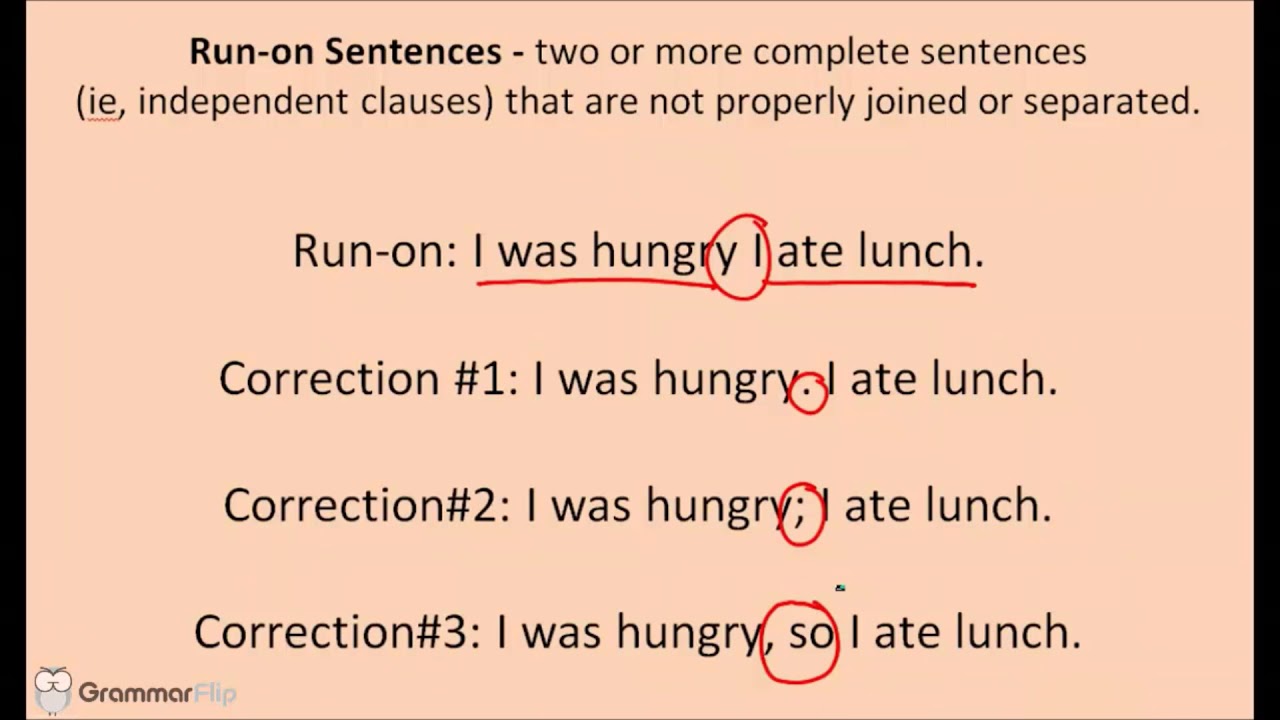
A run-on sentence happens when two or more complete ideas are joined incorrectly. This often occurs when writers connect sentences without proper punctuation or conjunctions. As a result, the sentence becomes difficult to read and understand.
For example, imagine reading a sentence that continues without pause, jumping from one idea to another without proper separation. The reader may feel lost or need to reread the sentence multiple times. This creates a poor reading experience and can cause readers to leave your page quickly.
From an SEO perspective, readability matters more than ever. Search engines prioritize content that provides value and clarity. If your sentences are confusing, visitors will spend less time on your page, which can negatively impact engagement signals.
Why Run-On Sentences Happen
Run-on sentences often appear when writers try to express too many ideas at once. Sometimes, writers believe longer sentences sound more professional, but this is not always true. Clear and simple sentences are usually more effective.
Another common cause is misunderstanding punctuation. Writers may forget to use periods, commas, or conjunctions correctly. Without proper structure, separate ideas blend together into one long sentence.
The key to avoiding this problem is recognizing when a sentence contains more than one complete thought and knowing how to separate those thoughts properly.
How to Fix and Prevent Run-On Sentences
One of the easiest ways to fix a run-on sentence is to break it into smaller sentences. Each sentence should express one clear idea. This improves readability and helps readers follow your message more easily.
You can also use conjunctions such as “and,” “but,” or “because” to connect related ideas correctly. These words help show the relationship between thoughts while maintaining proper structure.
Another effective method is using proper punctuation. Periods, commas, and semicolons all play important roles in separating ideas. When used correctly, they make your writing smoother and more professional.
As you write, try reading your sentences out loud. If you run out of breath or feel confused while reading, the sentence may be too long. This simple technique helps you identify run-on sentences naturally.
Understanding Sentence Fragments and Their Impact
A sentence fragment is the opposite of a run-on sentence. Instead of having too many ideas, a fragment has incomplete information. It may be missing a subject, a verb, or a complete thought.
Fragments can confuse readers because they expect a complete message. When the sentence suddenly stops or feels unfinished, the reader may struggle to understand what the writer means.
In SEO content, clarity is essential. Readers want information that is easy to follow. If your content contains too many fragments, it may appear unprofessional and reduce trust.
Why Sentence Fragments Occur
Fragments often happen when writers focus too much on style and forget about structure. Sometimes, writers intentionally use short phrases for emphasis, but overusing this technique can weaken the overall quality of the content.
Another common reason is editing errors. Writers may delete parts of a sentence during revision but forget to ensure the remaining sentence is complete.
Understanding what makes a complete sentence is the first step toward avoiding fragments. Every sentence should have a subject and a verb and express a complete idea.
Simple Techniques to Avoid Sentence Fragments
The best way to avoid fragments is to review your sentences carefully. Ask yourself whether each sentence can stand alone and make sense. If it feels incomplete, it likely needs revision.
You can fix fragments by adding missing information. Sometimes, this means adding a subject or verb. Other times, you may need to connect the fragment to a nearby sentence.
Reading your content slowly can help you identify fragments more easily. When you pay attention to the flow of your writing, incomplete sentences become more obvious.
Practice also plays an important role. The more you write and review your work, the easier it becomes to recognize and fix fragments automatically.
Why Proper Sentence Structure Improves SEO and Readability
Clear sentence structure is not just important for grammar. It also improves user experience, which is a major factor in SEO success. When readers understand your content easily, they stay longer on your page and engage more with your information.
Search engines analyze user behavior, including how long visitors remain on a page. If your writing is confusing due to run-on sentences or fragments, readers may leave quickly. This can signal that your content is not helpful.
On the other hand, well-structured sentences create a smooth reading experience. Readers can absorb information quickly and feel more satisfied. This increases engagement and helps improve your site’s overall performance.
Proper sentence structure also builds credibility. Readers are more likely to trust content that appears professional and easy to understand. This trust encourages them to explore more pages and return in the future.
Writing Naturally While Maintaining Correct Structure
Some writers worry that focusing on grammar will make their writing sound stiff or unnatural. However, correct sentence structure actually improves flow when used properly.
The goal is not to make every sentence short or overly formal. Instead, focus on clarity. Mix short and medium-length sentences to create a natural rhythm. This makes your content more enjoyable to read.
Avoid trying to impress readers with overly complex sentences. Simple, clear writing is more effective and more powerful, especially for SEO content.
Building Better Writing Habits Over Time
Improving sentence structure is a skill that develops gradually. The more you practice writing and editing, the more natural it becomes. Over time, you will recognize run-on sentences and fragments without needing to think about it.
Editing is just as important as writing. Your first draft does not need to be perfect. Focus on expressing your ideas, then review your work to improve clarity and structure.
Reading high-quality content can also help. When you see how experienced writers structure their sentences, you learn what works and what feels natural.
Consistency is key. Even small improvements in sentence structure can make a big difference in the overall quality of your content.
Conclusion: Strong Sentences Create Strong Content
Avoiding run-on sentences and fragments is essential for creating clear, effective, and SEO-friendly content. These common mistakes can confuse readers and reduce the impact of your message. By understanding proper sentence structure and practicing regularly, you can improve both readability and professionalism.
Clear writing helps readers stay engaged, trust your content, and understand your message easily. This not only improves user experience but also supports better SEO performance.
Remember that good writing is not about using complicated sentences. It is about communicating ideas clearly and naturally. With time and practice, you can develop strong writing habits that enhance your content and help you achieve better results.