
Learning English Grammar Effectively in Indonesia
Learning English grammar effectively in Indonesia – has become more important than ever. As globalization continues to grow, English is no longer just a school subject. It is a key skill for higher education, career opportunities, digital communication, and even entrepreneurship. From university students in Jakarta to young professionals in Surabaya, the demand for strong English grammar skills keeps increasing every year.
Indonesia has made major efforts to improve English education. The Ministry of Education, Culture, Research, and Technology, known as Kementerian Pendidikan, Kebudayaan, Riset, dan Teknologi, includes English as a core subject in many schools. However, many learners still struggle with grammar accuracy, sentence structure, and confidence in writing and speaking.
This article explores how to learn English grammar effectively in Indonesia using practical strategies, local context, and consistent habits. If you want to improve your English grammar naturally and efficiently, keep reading.
Why English Grammar Is Important for Indonesian Learners
English grammar forms the foundation of clear communication. Without proper grammar, ideas can easily be misunderstood. For Indonesian learners, grammar can be challenging because Bahasa Indonesia has a very different structure compared to English.
In Bahasa Indonesia, verbs do not change based on time. In English, verb tenses are essential. For example, “I eat,” “I ate,” and “I have eaten” all express different time references. This difference often creates confusion for Indonesian students when learning English grammar.
Strong grammar skills help learners:
Improve academic writing
Prepare for international tests
Communicate professionally
Build confidence in speaking
Many Indonesian students aim to study abroad in countries like Australia, United Kingdom, or United States. For this reason, mastering English grammar becomes a long-term investment.
Common Grammar Challenges in Indonesia
There are several grammar areas that Indonesian learners commonly struggle with.
First is verb tense consistency. Because Bahasa Indonesia does not use tense changes, learners often forget to adjust verbs when talking about past or future events.
Second is subject-verb agreement. English requires “She goes” instead of “She go.” This small difference may seem simple, but it frequently appears in writing mistakes.
Third is the use of articles such as “a,” “an,” and “the.” Since Bahasa Indonesia does not use articles in the same way, learners may omit them or use them incorrectly.
Understanding these challenges is the first step toward learning English grammar effectively in Indonesia.
Effective Strategies to Learn English Grammar in Indonesia
Improving grammar does not require complicated methods. The key is consistency and smart practice. Here are proven strategies that work well for Indonesian learners.
Build a Strong Foundation First
Before moving to advanced grammar topics, make sure you understand the basics. Focus on sentence structure, basic tenses, pronouns, and prepositions. Many students try to learn complex grammar without mastering simple present or simple past tense.
Use reliable grammar books or structured courses. If possible, follow a curriculum that gradually increases in difficulty. A clear learning path prevents confusion and frustration.
Practice Through Daily Writing
Writing is one of the most effective ways to improve English grammar. Start with short daily journals. Write about your activities, plans, or opinions. Keep it simple but consistent.
After writing, check your grammar. You can compare your sentences with grammar references or ask a teacher for feedback. Over time, you will notice patterns in your mistakes and improve naturally.
In cities like Jakarta and Bandung, many learners join English communities to practice writing and speaking together. This collaborative environment helps reinforce grammar in real communication.
Learn Grammar in Context
Memorizing rules alone is not enough. Grammar should be learned in context. Read English articles, short stories, or news. Pay attention to how sentences are structured.
Watching English movies or series can also help. Listen carefully to how native speakers use tenses and expressions. Even though this method focuses more on listening, it strengthens your understanding of grammar patterns.
Try to notice how questions are formed, how conditional sentences are used, and how connectors link ideas together. This natural exposure makes grammar learning less stressful.
Take Advantage of Online Resources
Indonesia has rapidly growing internet access. This creates many opportunities for online English learning. You can find grammar exercises, quizzes, and video explanations easily.
Online courses allow learners from smaller cities to access the same quality of materials as those in major cities. Flexibility is a big advantage because students can study at their own pace.
However, avoid jumping between too many resources. Choose one or two reliable platforms and focus on completing them consistently.
The Role of English Courses in Indonesia
Formal education sometimes provides limited time for deep grammar practice. Because of this, many students enroll in private English courses.
Institutions such as EF Education First and British Council have programs available in Indonesia. These institutions offer structured grammar lessons combined with speaking and writing practice.
Local English courses also play an important role. Many neighborhood learning centers provide affordable options for students. The key is not the brand name, but the quality of teaching and consistent practice.
If you choose a course, make sure it includes regular feedback. Grammar improvement requires correction and guidance.
Creating a Sustainable Grammar Learning Habit
Learning English grammar effectively in Indonesia is not about studying for one week and expecting instant results. It is about building sustainable habits.
Set a realistic goal. For example, learn one grammar topic per week. Practice it in writing and speaking. Review it at the end of the week before moving to a new topic.
Consistency is more important than intensity. Studying 20 minutes every day is more effective than studying three hours once a week.
Combine Grammar with Speaking Practice
Many Indonesian learners understand grammar rules but hesitate to speak. They are afraid of making mistakes. In reality, making mistakes is part of learning.
Try to join English-speaking communities or language exchange programs. Practice forming sentences using the grammar you recently studied. This reinforces your understanding and builds confidence.
You can also practice by talking to yourself in English about your daily routine. It may feel unusual at first, but it helps you think in English and apply grammar automatically.
Staying Motivated While Learning English Grammar
Motivation can go up and down. To stay motivated, remind yourself why you are learning English. Maybe you want to work for an international company, study abroad, or expand your business network.
Celebrate small progress. If you can write a paragraph without major grammar mistakes, that is an achievement. If you can explain past events correctly using past tense, that is progress.
Learning English grammar effectively in Indonesia is absolutely possible. With the right strategies, consistent practice, and supportive environment, anyone can improve step by step.
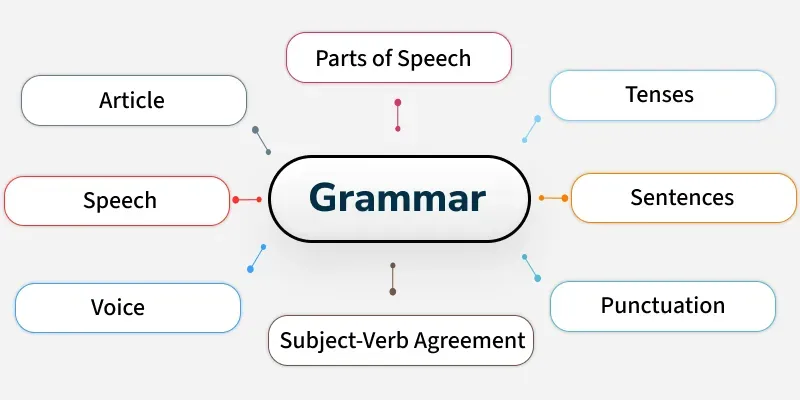
Simple Ways to Improve Your English Grammar Skills
Simple Ways to Improve Your English Grammar Skills – Improving your English grammar does not have to be complicated or stressful. Many people think grammar means memorizing endless rules, but in reality, it is more about habit, exposure, and consistency. Whether you are learning English for work, study, or daily communication, small improvements can make a big difference in how confident and natural you sound.
This article will walk you through simple and practical ways to improve your English grammar skills without feeling overwhelmed. These methods are easy to apply, even if you are busy or learning English as a second language.
Why English Grammar Still Matters Today
Grammar is the foundation of clear communication. Even if your vocabulary is strong, poor grammar can make your message confusing or less professional. In emails, social media posts, blog writing, or business communication, correct grammar helps you sound more credible and trustworthy.
Good grammar also helps you understand others better. When you recognize sentence patterns and structures, reading and listening become much easier. This is why improving grammar is not just about writing, but about overall language fluency.
Start with Everyday Reading Habits
One of the simplest ways to improve English grammar is by reading regularly. Reading exposes you to correct sentence structures without forcing you to memorize rules.
Read Content That Matches Your Level
Choose materials that feel comfortable, not exhausting. Online articles, blogs, short stories, or news websites are great starting points. When the language feels natural, your brain starts absorbing grammar patterns automatically.
Pay attention to how sentences are formed. Notice how verbs change, how prepositions are used, and how ideas are connected. Over time, these patterns will feel familiar and easier to use in your own writing.
Read Out Loud Occasionally
Reading out loud helps connect grammar with sound. When a sentence sounds wrong, it often means the grammar is incorrect. This technique is especially helpful for understanding verb tenses and sentence flow.
Practice Writing in Small, Consistent Steps
You do not need to write long essays to improve your grammar. Short, consistent writing is much more effective.
Write Daily, Even If It’s Just a Few Sentences
Try writing a short journal entry, a social media caption, or a comment in English every day. Focus on clarity rather than perfection. The goal is to make grammar a natural part of your thinking process.
If possible, reread what you wrote and look for simple mistakes like verb tense, plural forms, or missing articles. Self-correction is a powerful learning tool.
Rewrite Simple Sentences in Different Ways
Take one sentence and rewrite it using a different structure. This exercise helps you understand how grammar works in real situations. Over time, you will feel more flexible and confident when forming sentences.
Learn Grammar Rules in Context, Not in Isolation
Studying grammar rules alone can feel boring and confusing. A better approach is to learn grammar through examples and real usage.
Focus on Common Grammar Mistakes First
Instead of trying to learn everything, focus on common issues such as subject-verb agreement, basic tenses, and sentence order. These areas have the biggest impact on clarity.
When you notice a mistake you often make, look it up and practice it in context. This targeted approach saves time and delivers faster results.
Use Real Examples from Native Content
Look at how native speakers use grammar in articles, blogs, or conversations. This helps you understand how rules apply in real life, not just in textbooks.
Improve Grammar Through Listening and Speaking
Grammar is not only about writing. Listening and speaking play a major role in reinforcing correct structures.
Listen to Natural English Conversations
Podcasts, interviews, and videos are excellent resources. When you listen to native speakers, you hear how grammar flows naturally in conversation.
Pay attention to commonly used phrases and sentence patterns. These patterns often repeat and become easy to remember.
Speak Without Fear of Mistakes
Many learners avoid speaking because they are afraid of grammar errors. In reality, mistakes are part of learning. Speaking regularly helps your brain process grammar faster and more naturally.
Try talking to yourself, recording short voice notes, or practicing with language partners. The more you speak, the more automatic correct grammar becomes.
Use Simple Tools Wisely
Technology can support your learning, but it should not replace your thinking process.
Grammar-checking tools are useful for spotting mistakes, but always review the suggestions carefully. Try to understand why something is incorrect instead of accepting corrections blindly. This awareness helps prevent repeating the same mistakes in the future.
Be Patient and Track Your Progress
Improving English grammar is a gradual process. You may not see dramatic changes overnight, but small improvements add up over time.
Notice Patterns, Not Perfection
Instead of aiming for perfect grammar, focus on reducing repeated mistakes. When you stop making the same error again and again, that is real progress.
Celebrate Small Wins
Understanding a sentence faster, writing more confidently, or speaking without hesitation are signs that your grammar skills are improving. These small wins keep you motivated.
Final Thoughts on Improving English Grammar Skills
Improving your English grammar does not require expensive courses or endless rule memorization. With regular reading, consistent writing, active listening, and simple practice habits, grammar improvement becomes a natural part of your daily routine.
The key is consistency and patience. When grammar learning feels connected to real life, it becomes easier, more enjoyable, and much more effective. Over time, you will notice that correct grammar no longer feels like a challenge, but a skill you use naturally and confidently.