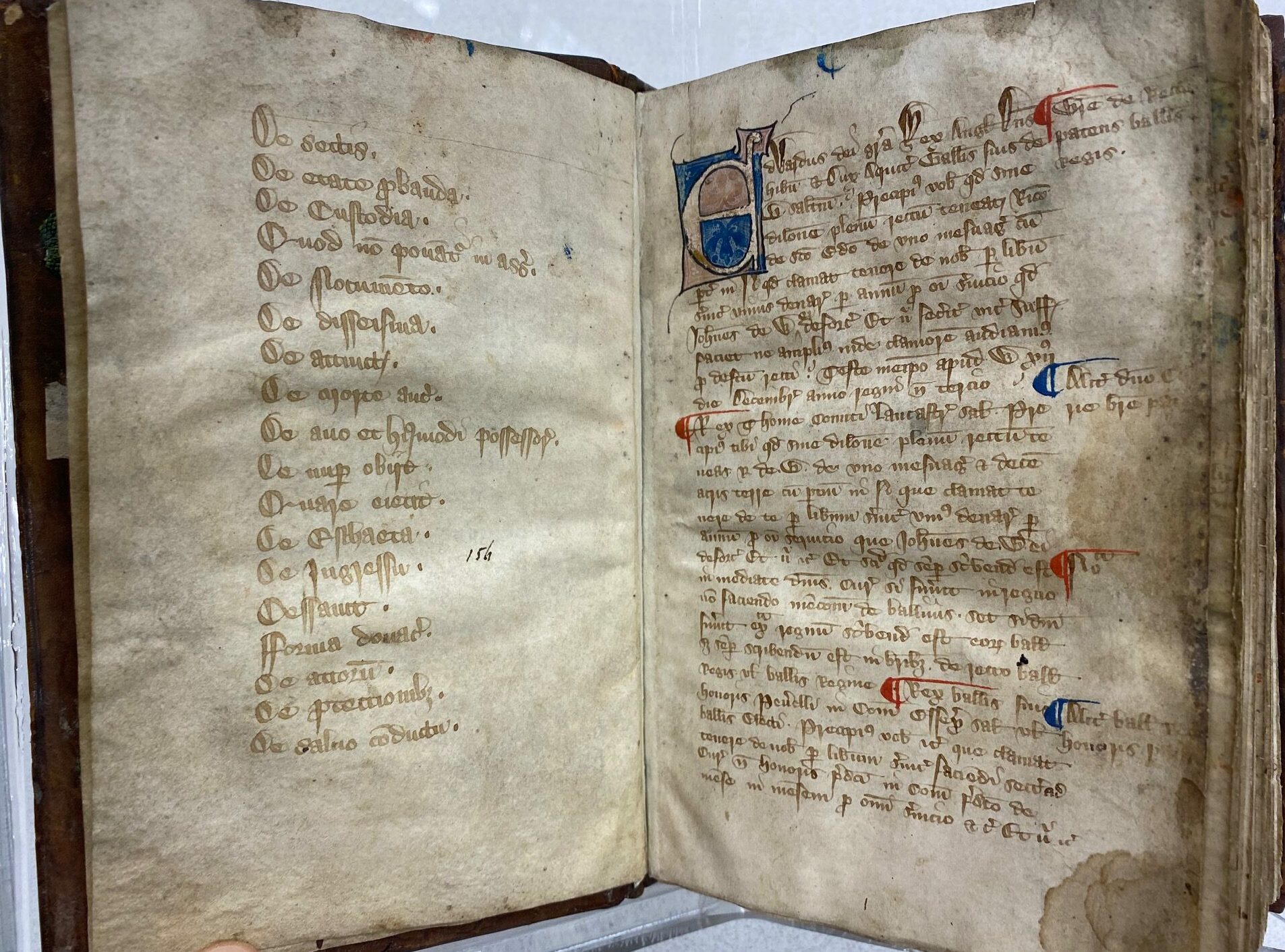
Grammar in the Courts of Medieval Kingdoms
Grammar in the Courts of Medieval Kingdoms – When we think about medieval kingdoms, images of grand castles, armored knights, and royal banquets often come to mind. Yet behind the pageantry and power struggles, there was something far quieter, but just as influential, shaping these courts: grammar. In the courts of medieval kingdoms, grammar was not merely about language rules. It was a symbol of education, authority, diplomacy, and even political control.
Understanding grammar in the courts of medieval kingdoms opens a fascinating window into how language shaped governance, culture, and intellectual life. From Latin manuscripts to royal decrees, the structure of language determined how laws were written, treaties were negotiated, and history was recorded. In many ways, grammar was power.
The Role of Latin in Medieval Royal Courts
During much of the medieval period, Latin was the dominant language of administration, scholarship, and religion across Europe. While local languages were spoken by the people, official court documents were often written in Latin. This created a clear distinction between the ruling elite and the general population.
Latin grammar was considered the foundation of education. Young nobles and future court officials were trained in monasteries or cathedral schools, where they studied classical texts and learned the precise rules of Latin syntax and structure. Mastery of Latin grammar was essential for anyone seeking influence within a medieval royal court.
In kingdoms such as England, France, and the Holy Roman Empire, legal documents, royal charters, and diplomatic correspondence were drafted in carefully structured Latin. Grammar ensured clarity and consistency, which was crucial in a time when written words could determine land ownership, political alliances, and succession rights.
Grammar as a Mark of Education and Status
In medieval courts, grammar was more than a linguistic tool. It was a social marker. Those who could write and speak Latin correctly were viewed as educated and trustworthy. Clerics, scribes, and royal advisors gained status through their command of grammatical precision.
The study of grammar was part of the trivium, one of the foundational components of medieval education. The trivium included grammar, rhetoric, and logic. Together, these disciplines trained individuals to think critically and communicate effectively. For members of the court, this education was essential. A poorly written decree could cause confusion. A grammatically ambiguous treaty might spark conflict.
In this environment, grammar became closely tied to authority. The ability to control language meant the ability to shape law and policy. Courts relied heavily on scribes who were experts in grammar to ensure that official records reflected the king’s intentions without misinterpretation.
Vernacular Languages Enter the Court
Although Latin dominated early medieval courts, the later medieval period saw the gradual rise of vernacular languages in official settings. This shift had significant implications for grammar in the courts of medieval kingdoms.
In England, for example, after the Norman Conquest of 1066, French became the language of the royal court and aristocracy. Over time, Middle English began to gain prominence. By the late Middle Ages, English was increasingly used in legal documents and parliamentary proceedings.
This transition required the development of standardized grammar in these vernacular languages. Unlike Latin, which had a long-established grammatical tradition, English and other local languages lacked uniform rules. As courts began to use vernacular languages more frequently, scribes and scholars worked to formalize grammar and spelling.
The emergence of vernacular grammar in royal courts played a key role in shaping national identities. When laws and decrees were written in the language of the people, it strengthened the connection between rulers and subjects. Grammar thus contributed not only to administrative efficiency but also to cultural unity.
The Influence of Royal Chanceries
Royal chanceries were offices responsible for producing official documents. These institutions became centers of grammatical standardization. Clerks working in the chancery developed consistent formulas for writing charters, letters, and legal records.
In England, the Chancery Standard of the late 14th and early 15th centuries influenced the development of written English. The consistent grammatical patterns used in official documents helped lay the groundwork for modern English. Similar developments occurred in France, Spain, and other medieval kingdoms.
The work of these chanceries highlights how grammar in the courts of medieval kingdoms directly influenced the evolution of European languages. What began as practical administrative choices eventually shaped literary traditions and national standards.
Grammar, Law, and Power
One of the most important functions of grammar in medieval courts was its role in legal systems. Medieval law relied heavily on written documentation. Land grants, feudal contracts, and tax records all depended on precise wording.
In a time when copying errors were common, strict adherence to grammatical rules helped maintain consistency. Even small variations in phrasing could change the meaning of a legal text. For this reason, scribes were trained to follow established grammatical structures carefully.
Grammar also played a critical role in diplomacy. Treaties between kingdoms were drafted with extreme attention to detail. Ambiguity could lead to disputes or even war. Clear syntax and standardized phrasing reduced the risk of conflicting interpretations.
Kings and queens depended on advisors who understood grammar deeply. These advisors ensured that royal authority was expressed clearly and that official documents could withstand scrutiny. In many cases, disputes over land or succession hinged on the interpretation of specific grammatical constructions.
Religious Authority and Linguistic Control
The Church had enormous influence in medieval courts, and it was also a major guardian of grammar. Clergy were often the most educated individuals in a kingdom. Their training in Latin grammar allowed them to serve as royal secretaries, judges, and counselors.
Because religious texts were written in Latin, correct grammar was considered essential to preserving divine truth. This belief extended into secular governance. The same precision applied to scripture was expected in royal documentation.
As a result, grammar carried moral and spiritual weight. Errors were not simply mistakes; they could be seen as signs of ignorance or carelessness. In royal courts, where reputation and legitimacy mattered greatly, grammatical competence reinforced credibility.
The Legacy of Grammar in Medieval Kingdoms
The influence of grammar in the courts of medieval kingdoms did not end with the Middle Ages. The administrative practices developed in these courts laid the foundation for modern bureaucratic systems. Standardized language, careful documentation, and formal writing conventions remain central to government institutions today.
The rise of vernacular grammar in royal courts also paved the way for national literature. Writers such as Geoffrey Chaucer in England and later Renaissance authors benefited from the growing acceptance of structured vernacular language. Without the groundwork laid by medieval scribes and scholars, these literary movements might have developed very differently.
Moreover, the connection between grammar and authority established in medieval courts continues to shape modern perceptions. Even today, clear and correct language is associated with professionalism and expertise. This idea has deep historical roots in the medieval emphasis on grammatical education.
Why Grammar Mattered More Than We Realize
It is easy to overlook grammar when discussing medieval history. Battles, dynasties, and political intrigue tend to dominate the narrative. Yet grammar quietly influenced every aspect of court life. It shaped laws, guided diplomacy, and defined education.
In the courts of medieval kingdoms, grammar was not just about sentence structure. It was about legitimacy, identity, and control. Those who mastered language held significant influence. Through carefully crafted words, kings asserted power, alliances were formed, and histories were preserved.
Exploring grammar in medieval royal courts reveals a deeper understanding of how language and governance are intertwined. The medieval world may feel distant, but its linguistic legacy remains embedded in the way modern institutions communicate and operate.
By appreciating the role of grammar in the courts of medieval kingdoms, we gain insight into how language has always been more than a tool. It has been a foundation of civilization itself.