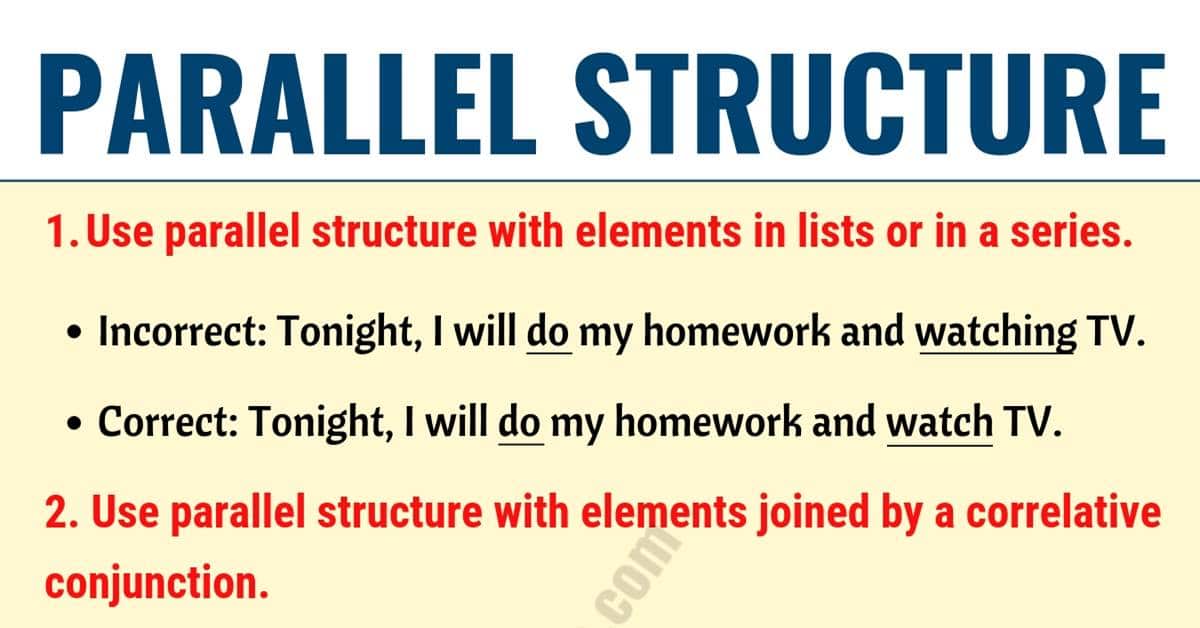
Understanding Parallel Structure in Sentences – Writing that feels smooth and professional usually has one thing in common: balance. One of the most important techniques that creates this balance is parallel structure in sentences. If you’ve ever read a sentence that sounded awkward but couldn’t explain why, chances are it lacked parallelism.
Understanding parallel structure in sentences is essential for students, bloggers, business writers, and anyone who wants their content to sound polished and easy to read. In this guide, we’ll break down what parallel structure is, why it matters, and how to use it correctly without making your writing feel stiff or overly formal.
Let’s dive in.
What Is Parallel Structure in Sentences?
Parallel structure, also known as parallelism, means using the same grammatical form for similar ideas within a sentence. When elements in a sentence are connected by words like “and,” “or,” or “but,” they should follow the same pattern.
In simple terms, parallel structure keeps your writing consistent and balanced.
For example:
She enjoys reading, writing, and jogging.
All three items are in the same -ing form. That’s parallel structure.
Now compare it with this:
She enjoys reading, to write, and jogging.
This sentence feels off because the verb forms don’t match. “Reading” and “jogging” are gerunds, but “to write” is an infinitive. The lack of parallelism makes the sentence awkward.
Parallel structure in sentences improves clarity, flow, and readability. It helps your reader process information more easily, which is especially important in online content and SEO writing.
Why Parallel Structure Is Important in Writing
Parallel structure is not just a grammar rule for exams. It plays a key role in effective communication.
First, it improves readability. When your sentence structure is consistent, readers can follow your ideas without confusion. This is particularly important in blog posts, marketing copy, and educational content.
Second, it enhances clarity. When ideas are presented in the same grammatical form, they are clearly connected. The relationship between them becomes obvious.
Third, it strengthens persuasion. Many famous speeches use parallelism to create rhythm and emphasis. A well-known example comes from Martin Luther King Jr. in his famous speech at the Lincoln Memorial, where he repeated the phrase “I have a dream.” The repeated structure made his message powerful and memorable.
Parallel structure works the same way in everyday writing. It creates rhythm and gives your sentences a confident tone.
Common Situations Where Parallel Structure Is Needed
Parallel structure in sentences is most commonly used in lists, comparisons, and paired ideas.
When listing items, make sure each item follows the same grammatical form.
Correct example:
The course teaches students to analyze data, to write reports, and to present findings.
Here, each phrase begins with “to” followed by a verb. The structure is consistent.
When making comparisons, parallel structure is also necessary.
Correct example:
She prefers working remotely to commuting every day.
Both “working” and “commuting” are gerunds. The sentence feels natural and balanced.
Parallelism is also important with correlative conjunctions such as “either…or,” “not only…but also,” and “both…and.”
Correct example:
He is not only talented but also hardworking.
Both adjectives follow the same pattern. That balance keeps the sentence smooth.
Types of Parallel Structure in Sentences
Parallel structure can appear in different forms depending on the grammatical elements involved.
Parallel Structure with Verbs
One of the most common forms involves verbs.
Incorrect:
She likes to swim, biking, and to run.
Correct:
She likes to swim, to bike, and to run.
Or:
She likes swimming, biking, and running.
Both versions are correct because they maintain the same verb form throughout the sentence.
Parallel Structure with Adjectives
Parallelism also applies to descriptive words.
Incorrect:
The movie was exciting, emotional, and it was inspiring.
Correct:
The movie was exciting, emotional, and inspiring.
The corrected sentence removes the unnecessary shift in structure and keeps the adjectives consistent.
Parallel Structure with Clauses
When using clauses, maintaining parallel form is just as important.
Incorrect:
The manager said that the team should increase sales, improving customer service, and that marketing costs must be reduced.
Correct:
The manager said that the team should increase sales, improve customer service, and reduce marketing costs.
Now each action follows the same verb pattern, creating a cleaner and more professional sentence.
How to Identify Problems with Parallel Structure
Sometimes errors in parallel structure are easy to spot. Other times, they are subtle.
A good way to check is to look at the items joined by conjunctions like “and” or “or.” Ask yourself: Are these elements using the same grammatical form?
If not, revise them so they match.
Reading your sentence out loud also helps. Sentences without parallel structure often sound clumsy or unbalanced. If something feels awkward, check for consistency.
In SEO writing, especially for PBN content, smooth readability matters. Search engines evaluate user engagement signals, and readers are more likely to stay on a page that flows naturally. Clean sentence structure supports better user experience.
Parallel Structure and SEO Writing
You might wonder how parallel structure in sentences connects to SEO.
While search engines do not directly rank pages based on grammar rules, readability plays a huge role in content performance. When your writing is clear and structured, readers spend more time on the page. This reduces bounce rate and increases engagement.
Parallel structure also helps when writing headings and subheadings. Consistent formatting and phrasing make your article easier to scan. For example, using similar grammatical forms in section titles creates a sense of organization and professionalism.
In long-form articles, especially around 1000 words or more, maintaining parallelism keeps the tone consistent from beginning to end. This consistency builds trust with readers.
For PBN purposes, natural flow is crucial. Content that sounds robotic or inconsistent can raise red flags. Proper parallel structure makes the text feel human and thoughtfully written.
Tips to Master Parallel Structure in Sentences
Improving your use of parallel structure does not require advanced grammar knowledge. It simply requires attention and practice.
Start by identifying lists in your sentences. Ensure each item matches the others in form.
Pay attention to verb tense. If you begin with a past tense verb, keep the rest in past tense when listing related actions.
Be careful with phrases that mix gerunds and infinitives. Choose one structure and stick with it.
When using correlative conjunctions, double-check that both parts mirror each other grammatically.
Finally, revise and edit. Even experienced writers make mistakes. A quick review focused specifically on parallel structure can significantly improve the overall quality of your article.
Final Thoughts on Understanding Parallel Structure in Sentences
Understanding parallel structure in sentences is a simple but powerful way to improve your writing. It enhances clarity, strengthens your message, and creates a smoother reading experience.
Whether you are writing academic essays, blog posts, marketing copy, or PBN content, parallelism helps your sentences feel balanced and professional. It may seem like a small detail, but small details often make the biggest difference.